
The Shop Floor Reality: Why "Busy" Isn't "Productive"
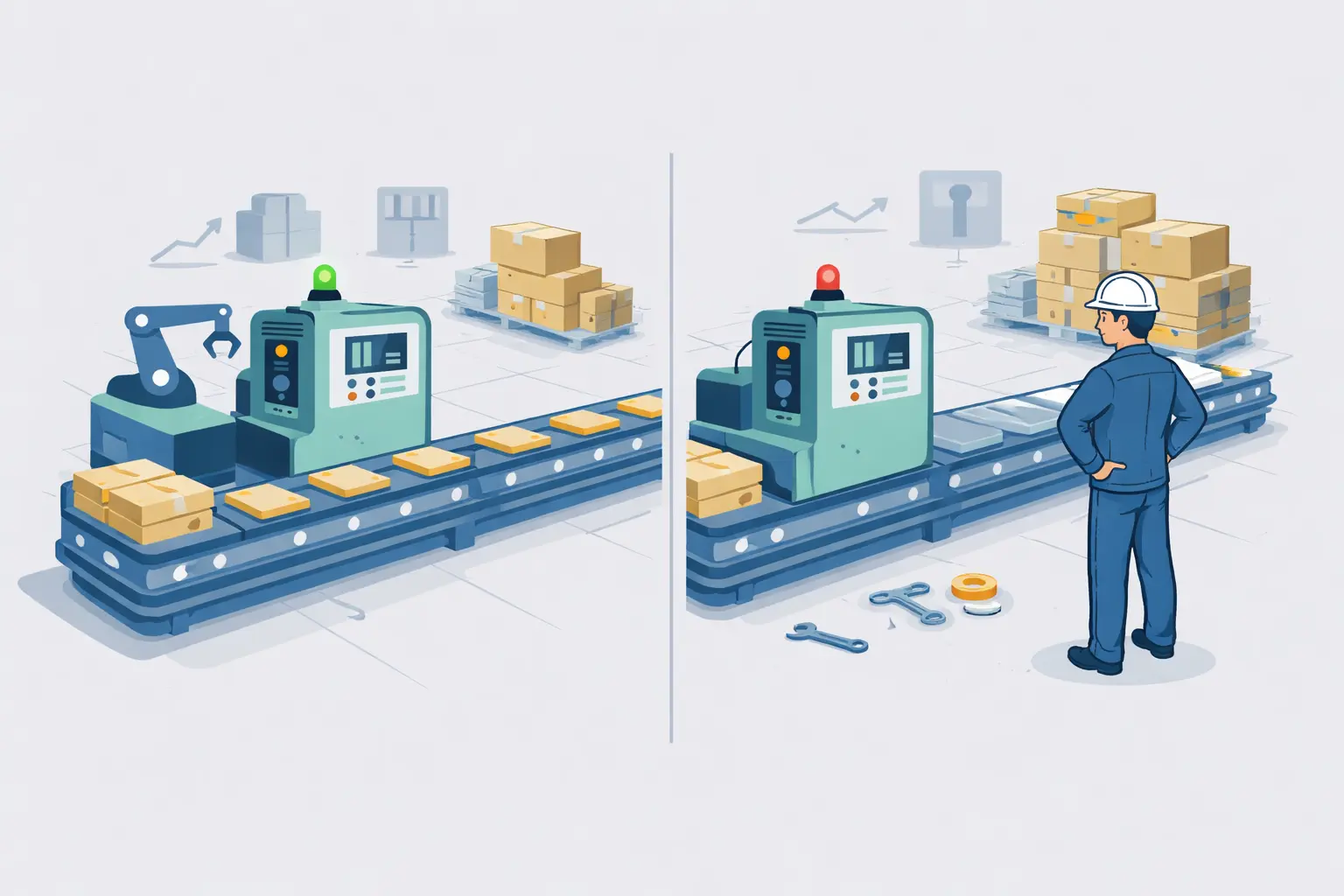
You walk onto the floor and see everyone moving. Machines are humming, sparks are flying, and the team looks exhausted. By all accounts, it looks like a good day. But at the end of the month, the margins are thin, orders are still late, and you’re paying overtime just to keep your head above water. The truth? Most MSMEs operate in a state of "organized chaos." We mistake movement for progress, but in a small plant, movement that doesn't add value is just an expensive way to get tired.The Core Problem: The "Just-in-Case" Trap
Most small manufacturers suffer from the "Just-in-Case" mindset. We buy extra material just in case* the supplier is late. We produce extra parts just in case* the machine breaks down tomorrow. We keep old inventory just in case* a customer asks for it in three years. This creates "The Hidden Factory"—a layer of waste that eats your cash flow and hides the real problems until they become emergencies.The Business Impact: Death by a Thousand Cuts
When your shop floor isn't "Lean," it doesn't just feel messy—it costs you money in ways that are hard to track on a standard P&L:- Wasted Capacity: If your OEE (Overall Equipment Effectiveness) is sitting at 50% because of disorganized setups, you’re essentially paying for two machines but only using one.
- Bloated Lead Times: If a 10-minute job takes 3 days to get through the shop, your cash is trapped in "Work in Progress" (WIP).
- Ballooning Maintenance Costs: Reactive repairs are 3–4x more expensive than planned ones.